Email Personalization for Pet Brands: Dynamic Images That Build Loyalty
Why Pet Brand Email Marketing Needs Personalization
Pet owners are among the most emotionally connected consumers in e-commerce. They do not just buy products — they invest in the health, happiness, and wellbeing of family members. This emotional connection creates a massive opportunity for personalised email marketing that speaks to pet owners individually rather than generically. When a brand acknowledges the owner by name and recognises their specific pet, it activates a level of emotional resonance that generic promotional emails cannot come close to replicating.
Dynamic image personalisation transforms pet brand emails from mass promotions into personal messages that connect with pet owners at the level of their individual relationship with their animal. This guide covers the personalisation strategies, campaign types, and real-results benchmarks that deliver the strongest outcomes for pet brands. For the broader context on how email image personalisation works, see our complete guide.
Personalisation Strategies for Pet Brands
Owner Name Personalisation
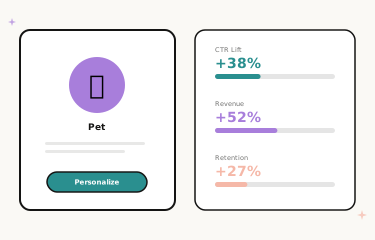
The foundation of pet brand email personalisation is addressing the owner by name. “Sarah, Stock Up on Max’s Favorites” immediately signals this email is not a generic blast. This simple name insertion on hero images lifts click-through rates by 25–40% for pet brands because it connects the commercial message to the emotional relationship between owner and pet. The name is not just a personalisation tactic — it is a signal that the brand pays attention to individuals and treats them accordingly.
Pet Name Personalisation
Brands that collect pet names during signup have an even more powerful personalisation variable available. “Max’s Monthly Essentials Are Ready” or “New Treats Max Will Love” creates an incredibly personal experience. Most pet owners respond more strongly to their pet’s name than their own name in marketing contexts, because their pet is the primary emotional anchor in the purchasing relationship. Collecting pet names is straightforward — a simple name field on the signup form, a post-signup preferences survey, or a product quiz that asks about the pet early in the funnel. For the data collection strategy, see our zero-party data guide.
Breed and Species Targeting
Pet brands with breed or species data can personalise imagery to match. A golden retriever owner sees golden retriever photography while a cat owner sees feline-focused visuals — all within the same campaign send, with Driphue rendering the appropriate image for each subscriber based on the species or breed data in their profile. This visual relevance makes the email feel curated specifically for their pet, and eliminates the slight cognitive disconnect that happens when a dog food promotion shows a cat, or vice versa.
Life Stage Personalisation
Puppy owners have different needs than senior dog owners. Kitten parents shop differently than adult cat owners. Personalised images that reflect the pet’s life stage — “Sarah, Puppy Essentials for Max’s First Year” or “Sarah, Senior Dog Nutrition for Max’s Golden Years” — demonstrate that your brand understands and cares about their specific situation. Life stage data can be captured at signup, updated through anniversary-triggered preference surveys, or inferred from purchase history patterns.
Subscription Model Personalisation
Pet food and supply subscriptions are a rapidly growing revenue model for pet brands. Personalised subscription renewal and upcoming delivery reminders make routine transactional emails feel caring rather than administrative. “Sarah, Max’s Food Ships on the 15th” with the specific date named in the image reduces churn by reinforcing the personalised service relationship rather than just reminding the subscriber of a billing event. A named renewal date is as effective as any mechanical urgency driver and significantly more credible.
Campaign Types for Pet Brands
Welcome Series
Pet brand welcome series should feel like joining a community of pet parents, not just subscribing to a marketing list. Personalised welcome images — “Welcome, Sarah and Max! Your First Order Is 15% Off” — immediately establish a personal relationship and drive first-purchase conversion by making the welcome feel individually warm rather than transactionally generic. For the complete welcome strategy, see our welcome series guide.
Replenishment Reminders
Pet products have predictable usage cycles. Food bags, treat supplies, flea medications, and grooming products run out on roughly predictable schedules based on pet size and usage frequency. Personalised reorder reminders timed to the expected depletion date — “Sarah, Max’s Food Is Almost Gone” with the recommended reorder date displayed in the image — drive timely repeat purchases by making the reminder feel genuinely helpful rather than a generic promotional nudge.
Birthday and Gotcha Day Campaigns
Pet birthdays and adoption anniversaries are emotionally significant moments for pet owners. Personalised birthday campaign images — “Happy Birthday, Max! Sarah, Here’s a Special Treat for Your Best Friend” — generate exceptional engagement and strengthen brand loyalty by celebrating the specific milestone rather than sending a generic seasonal promotion. Birthday campaigns with personalised images consistently achieve the highest open and click rates of any campaign type in pet brand email programmes. For the birthday campaign strategy, see our birthday guide.
Seasonal Campaigns
Pet needs change with seasons in ways that create natural personalisation opportunities: summer heat protection and hydration, winter coat care and indoor enrichment, spring parasite prevention, holiday safety tips and seasonal toy collections. Personalised seasonal images combining owner names with season-specific pet care themes create year-round engagement that feels relevant and caring rather than commercially driven. For the comprehensive seasonal strategy, see our holiday email marketing guide.
Cart Recovery
Pet product cart abandonment often happens when owners are comparison shopping between brands or waiting for subscription billing timing. Personalised cart recovery images with the owner’s name and a friendly, caring urgency message — “Sarah, Don’t Let Max’s Favourites Sell Out” with a named offer expiry date (“your reserved price expires Sunday”) — recover purchases effectively by combining personal recognition with genuine urgency rather than fabricated pressure. For the full cart recovery strategy, see our cart recovery guide.
Loyalty Programme Milestones
Pet brand loyalty programmes benefit significantly from visual celebrations of milestones and achievements. Personalised images for loyalty tier achievements, points milestones, and reward unlocks create a rewarding experience that strengthens programme engagement: “Sarah, You and Max Just Reached Gold Status!” with a premium visual design reinforces the programme’s value and motivates continued engagement. Personalised loyalty displays showing exact points balances make loyalty currency feel real and spendable rather than abstract. For the full loyalty strategy, see our loyalty programme guide.
Location-Based Personalisation for Pet Brands
Location data enables seasonal and climate-relevant personalisation that goes beyond standard seasonal messaging. Australian pet owners see summer pet care content in January when UK subscribers are receiving winter content. Brands with retail stockists can promote local store locations or availability with city-specific imagery. Pet brands with local veterinary partnerships can promote region-specific services or seasonal health events relevant to the subscriber’s area. For the full location personalisation strategy, see our location personalisation guide.
Real Results from Pet Brands
Premium pet food brand — 42% subscription retention lift: Personalised renewal and replenishment reminder images with owner names and specific upcoming delivery dates reduced subscription cancellations by 42%, representing major lifetime value improvement across the subscriber base.
Pet accessories company — 51% welcome series conversion: A personalised welcome series using owner names — and pet names for subscribers who provided them at signup — converted 51% more new subscribers into first-time buyers compared to the previous generic welcome emails, with the pet name personalisation delivering a significantly stronger lift than owner name alone.
Online pet pharmacy — 3.1x cart recovery rate: Personalised cart abandonment images with owner names and named medication refill deadlines tripled the cart recovery rate compared to the generic recovery banners they replaced, representing a substantial increase in recovered revenue from the same abandoned cart volume.
Start Personalising Your Pet Brand Emails
Pet brands have an extraordinary personalisation advantage that most other e-commerce categories cannot replicate: genuine emotional connection. When you address pet owners by name and reference their beloved animals, you activate a loyalty and engagement dynamic that is among the strongest in all of consumer marketing.
The setup is straightforward — Driphue integrates with all major ESPs and the first personalised image can be live in under an hour. Start with a personalised welcome image using the owner’s name, then layer in pet name personalisation once that data is collected, and expand from there to cart recovery, loyalty milestones, and birthday campaigns.
For the comprehensive personalisation strategy, see our email personalisation guide. For the data collection approach that captures pet names and preferences, see our zero-party data guide. Start your free Driphue trial and bring personalised pet parent experiences to every email.
Keep reading
More from the blog
 Industry Trends
Email Personalization for Arts and Crafts Brands: Inspiring Makers One Inbox at a Time
9 min read Industry Trends
Email Personalization for Baby and Kids Brands: Growing Families, Growing Revenue
9 min read Industry Trends
Email Personalization for Education and Online Course Brands: Enrollment to Completion
9 min read
Personalise every image in your emails
Turn your Klaviyo, Brevo or any-ESP campaigns into dynamic, per-subscriber images and countdown timers — no code required.