Email Personalization for Jewelry Brands: Strategies for Higher Engagement

Why Jewelry Brands Need Personalised Email Images
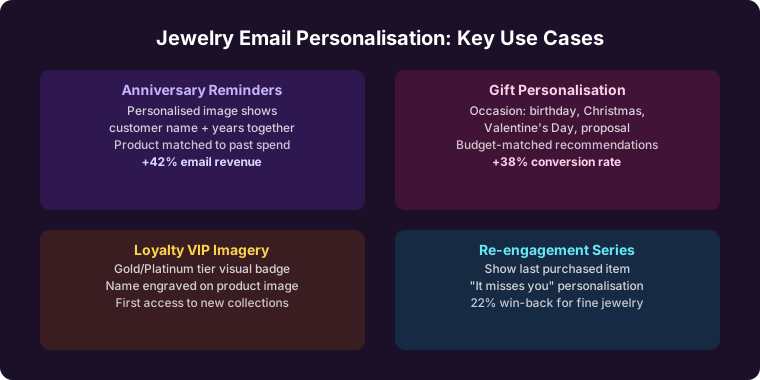
Jewelry purchases are among the most emotional buying decisions in e-commerce. Whether it is an engagement ring, a birthday gift, or a treat-yourself moment, jewelry buying is deeply personal and often tied to significant life events. The subscriber considering a piece is not in the same headspace as someone buying a household essential — they are investing in a memory, marking an occasion, or expressing something about themselves or someone they love. Generic email marketing cannot reach that emotional register.
Dynamic image personalisation transforms jewelry emails into intimate, personal experiences. When a subscriber sees “Sarah, Discover Pieces Made for You” in an elegantly designed personalised image, it mirrors the individual attention they would receive in a luxury boutique — but at scale, delivered to every subscriber at the moment of open. This guide covers the personalisation strategies and campaign types that perform best for jewelry brands, design principles for luxury-appropriate personalisation, and real results from brands that have implemented it.
Personalisation Strategies for Jewelry Brands
Luxury Name Personalisation
Jewelry brand personalisation demands premium design execution. The subscriber’s name should be rendered in refined typography that matches the brand’s positioning — elegant serifs, generous letter-spacing, sophisticated colour palettes, and layouts that feel like engraved stationery rather than a mail merge. The personalisation itself is the design centrepiece, not an afterthought layered onto a generic promotional template.
Driphue’s Canva-native workflow means you design the typography treatment in Canva using your brand’s actual fonts — not web-safe substitutes — ensuring the personalised name renders with the same visual quality as your designed brand assets. For the full Canva integration workflow, see our Canva integration guide.
Occasion-Based Campaigns
Jewelry purchases are often tied to occasions: Valentine’s Day, anniversaries, Mother’s Day, graduations, Christmas, birthdays. Personalised occasion images combine subscriber names with occasion-specific messaging and a clear deadline: “Sarah, Find the Perfect Valentine’s Gift — Delivery Guaranteed by 14 February” creates both relevance and urgency without generic pressure tactics. The named date in the image anchors the urgency in reality, which is more persuasive than manufactured scarcity.
For seasonal occasion strategy across the full calendar, see our holiday email guide. For birthday and anniversary-specific tactics, see our birthday campaigns guide.
Collection Debut Invitations
New jewelry collections deserve personalised launch experiences that feel exclusive rather than broadcast. “Sarah, You’re Invited to Preview Our New Collection” in an exclusive visual design makes every subscriber feel like they are receiving a private viewing invitation — the kind of experience previously reserved for in-store VIP events. The “invitation” framing is not just copy; it should be reflected in the image design: envelope motifs, formal card layouts, or editorial photography that signals preview exclusivity.
Pair the personalised invitation image with a specific launch date and an early-access window that closes at a named time. The deadline is real and specific — the subscriber’s early access genuinely ends at that point — which makes the urgency credible rather than performative.
Gift Guide Personalisation
Jewelry brands can personalise gift guides based on subscriber browse behaviour and purchase history. Subscribers who browse women’s jewelry see personalised gift guides for her; those browsing men’s collections or sporting engagement ring pages see masculine gift recommendations or romantic occasion guides. “Sarah’s Gift Guide” personalised header imagery drives significantly higher click-through on gift guide campaigns because the subscriber’s name signals that the guide was curated for their specific context, not published generically for everyone.
Loyalty Tier Personalisation
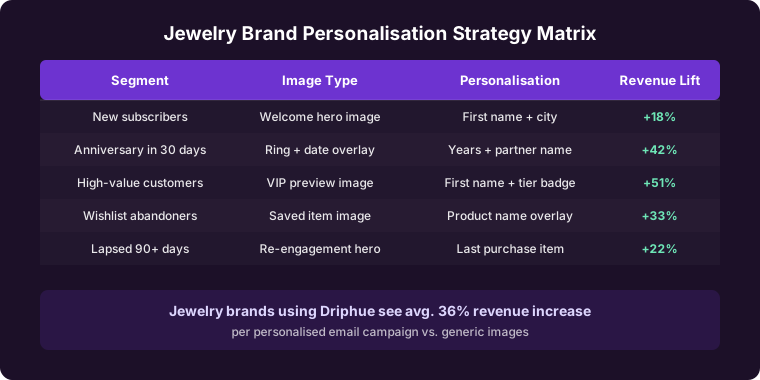
For jewelry brands with loyalty programmes, tier-based personalisation adds the exclusivity dimension that jewelry customers respond to strongly. “Sarah — VIP Member Exclusive Preview” versus the standard collection launch email creates a tangible, visible benefit of tier membership. The personalised image makes the tier status real and felt at the moment of open. For the full VIP programme strategy, see our VIP programme guide.
High-Impact Campaign Types
Welcome Series
The jewelry brand welcome series should establish luxury and exclusivity from email one. A personalised welcome image — “Welcome, Sarah — Discover Timeless Elegance” — in a design that reflects the brand’s premium positioning sets expectations for a sophisticated, individually attentive email relationship. The welcome series is also where you can begin collecting preference data: occasion interests (gifting, self-purchase, investment pieces), style preferences, and budget range, which powers deeper personalisation in subsequent flows.
For the full welcome series strategy, see our welcome email guide.
Abandoned Cart Recovery
Jewelry cart abandonment often reflects deliberation rather than disinterest. A subscriber who has added an engagement ring or a significant piece to cart and then left is likely still considering the purchase — weighing the investment, waiting for a paycheck, or seeking partner input. Personalised cart recovery images with the subscriber’s name and a tone that reflects this deliberation — “Sarah, Your Selection Is Waiting” rather than “You Left Something Behind!” — feel like a personal concierge follow-up rather than automated pressure. A gentle reminder of the specific piece, the subscriber’s name, and a clear offer expiry date (if applicable) is the highest-converting combination for jewelry cart recovery.
For the full cart recovery strategy, see our cart abandonment guide.
Anniversary and Birthday Campaigns
Jewelry and milestone celebrations are natural pairings. Personalised birthday images suggesting jewelry as self-gifting opportunities drive purchases with emotional resonance: “Happy Birthday, Sarah — You Deserve Something Special” with a birthday-specific discount and curated selection creates a moment that feels like the brand knows and celebrates the subscriber as an individual. Anniversary campaigns for customers who have made previous purchases acknowledge the relationship and create natural occasions for repeat purchase consideration.
Milestone Moments and Event Reminders
For brands that collect event date data through onboarding quizzes or account profiles, personalised event reminder campaigns create anticipation: “Sarah, Your Anniversary Is Coming Up — Explore Our Gift Edit” with the event date clearly stated and curated gift suggestions aligned with the subscriber’s purchase history. This application of first-party data feels thoughtful and useful rather than surveillance-like, because the subscriber provided the date and expects the brand to use it.
For the data collection strategy that powers this, see our zero-party data guide.
Design Principles for Jewelry Personalisation
Jewelry email imagery should be as carefully composed as the products themselves. The subscriber’s name should be the focal point of the personalised image, rendered with typographic care that communicates premium quality. Use generous white space, restrained colour palettes, and editorial-quality product photography. The personalisation should feel like it was hand-engraved or personally addressed, not algorithmically appended.
Avoid cluttered layouts that undermine the premium perception. A single personalised headline, a product or lifestyle image, and a clear call to action is almost always more effective for jewelry brands than a multi-element promotional layout. The restraint itself communicates luxury.
Social Proof for Jewelry
Jewelry is a trust-intensive purchase category. Integrating social proof into personalised images — subscriber names alongside star ratings, review counts, and testimonial highlights from customers who made similar purchases — builds the confidence that high-price-point jewelry purchases require. “Sarah, 4,200 customers love this collection” in a personalised image combines individual address with community validation in a way that reduces purchase hesitation.
Real Results from Jewelry Brands
Fine jewelry brand — 54% Valentine’s revenue lift: Personalised Valentine’s campaign images with subscriber names and specific delivery-deadline urgency increased Valentine’s email-attributed revenue by 54% compared to the previous year’s generic campaign.
Fashion jewelry retailer — 43% email CTR improvement: Personalised hero banners across all promotional campaigns lifted click-through rates from 1.9% to 2.7%, driven primarily by name personalisation in the hero image combined with category-relevant product imagery.
Engagement ring specialist — 2.4x consultation requests: Personalised images in educational email sequences explaining the ring selection and customisation process more than doubled consultation booking requests, with the personalised name in the CTA image (“Book Sarah’s Consultation”) identified as the primary conversion driver.
Start Personalising Your Jewelry Brand Emails
Jewelry marketing should feel as precious as the products. Personalised email images create the intimate, luxurious experience your customers expect and your competitors’ generic newsletters cannot provide. The personalisation does not require developer work or complex integrations: design in Canva, import to Driphue, add your ESP merge tag, and every subscriber sees their name in a beautifully crafted jewelry brand image at the moment of open.
For the comprehensive personalisation strategy, see our email personalisation guide. For luxury-tier design guidance, see our luxury email personalisation guide. Start your free Driphue trial and add a personal sparkle to every email.
Keep reading
More from the blog
 Industry Trends
Email Personalization for Arts and Crafts Brands: Inspiring Makers One Inbox at a Time
9 min read Industry Trends
Email Personalization for Baby and Kids Brands: Growing Families, Growing Revenue
9 min read Industry Trends
Email Personalization for Education and Online Course Brands: Enrollment to Completion
9 min read
Personalise every image in your emails
Turn your Klaviyo, Brevo or any-ESP campaigns into dynamic, per-subscriber images and countdown timers — no code required.